Asylum & Humanitarian Immigration Lawyers | Los Angeles
If you are exploring humanitarian immigration options, you may be seeking legal protection in the United States due to difficult or unsafe circumstances. Individuals who pursue humanitarian immigration relief are often trying to protect their safety, rebuild stability, or secure a future for themselves and their families after experiencing violence, persecution, or serious hardship.
In case you are new here, we are Madero & Carriles, a bilingual and bicultural law firm advising individuals, families, and business owners in Los Angeles and beyond. Many of the matters we handle involve clients whose lives and responsibilities extend between the United States and Mexico, allowing us to guide individuals navigating immigration challenges that may involve multiple legal systems and jurisdictions.
Humanitarian immigration cases require careful legal guidance, respectful communication, and detailed documentation. On this page, we explain the main forms of humanitarian immigration protection available under U.S. immigration law, the challenges individuals may encounter when seeking protection, and how working with an asylum and humanitarian immigration lawyer in Los Angeles can help individuals navigate these processes with clarity and dignity.
What is humanitarian immigration?
Humanitarian immigration refers to legal protections available to individuals who have experienced persecution, violence, trafficking, abuse, or other serious circumstances that justify protection under U.S. immigration law.
These immigration programs are designed to provide legal status, protection, and in many cases a pathway toward lawful permanent residence for individuals who meet specific eligibility requirements established by federal immigration laws.
Humanitarian immigration protections may include asylum for individuals fleeing persecution, petitions under the Violence Against Women Act (VAWA), U visas for victims of certain crimes, T visas for victims of human trafficking, and Special Immigrant Juvenile Status (SIJS) for vulnerable minors.
Each of these programs has its own legal requirements, documentation standards, and application procedures. Determining the appropriate immigration pathway requires careful evaluation of the individual’s circumstances and the protections available under immigration law.
For individuals whose lives connect the United States and Mexico, these cases may also involve gathering documentation from multiple jurisdictions or navigating legal procedures that may feel unfamiliar.
Thoughtful legal guidance helps individuals understand which humanitarian protections may apply and how to pursue the most appropriate immigration strategy.
Most common challenges in humanitarian immigration
Individuals seeking humanitarian immigration protection often face uncertainty about whether they qualify under the specific legal criteria established by immigration law. Programs such as asylum, VAWA, U visas, and T visas each have distinct eligibility requirements that must be carefully evaluated.
Another common challenge involves gathering sensitive documentation. Humanitarian immigration cases frequently require evidence related to personal experiences, law enforcement reports, medical records, or other documentation that may be difficult to obtain or emotionally difficult to discuss.
Applicants must also navigate complex immigration procedures that may involve multiple filings, interviews, or court proceedings. Understanding the procedural steps involved in these applications can be overwhelming without clear legal guidance.
Finally, humanitarian immigration matters often involve deeply personal circumstances. These cases require a respectful and careful approach that recognizes both the legal and human dimensions involved.
How do I know if I need humanitarian immigration support?
Individuals may begin exploring humanitarian immigration protections after experiencing violence, persecution, exploitation, or other circumstances that may qualify them for legal protection under immigration law.
Victims of certain crimes in the United States may also qualify for immigration protection if they have cooperated with law enforcement authorities during an investigation or prosecution.
Some individuals seek legal guidance because they fear returning to their home country due to persecution, threats, or unsafe conditions. In these situations, asylum protection may provide a legal pathway to remain in the United States.
Others may simply feel uncertain about which humanitarian immigration program applies to their circumstances. Careful legal evaluation can help determine which immigration protections may be available and what steps may be required to pursue them.
How we approach humanitarian immigration cases in Los Angeles
Every humanitarian immigration case begins with understanding the individual’s circumstances and evaluating which legal protections may apply under U.S. immigration law.
We review the facts of the case, identify the immigration programs that may be available, and determine the legal strategy that best aligns with the individual’s situation. This evaluation often involves examining eligibility for asylum, VAWA petitions, U visas, T visas, or other humanitarian protections.
Once eligibility is evaluated, we guide clients through the preparation of the immigration applications and supporting documentation required by immigration authorities.
Because these cases often involve personal and sensitive experiences, we approach every matter with care, respect, and strict confidentiality.
Our goal is to help individuals navigate the legal process with clarity while pursuing the immigration protections available under the law.
What topics can we address within humanitarian immigration?
Humanitarian immigration protections involve a wide range of legal pathways designed to support individuals facing serious personal circumstances. As asylum and humanitarian immigration lawyers in Los Angeles, we assist clients with multiple forms of humanitarian relief available under immigration law.
Asylum protection may be available to individuals who cannot safely return to their home country due to persecution or a well founded fear of persecution based on protected grounds recognized under immigration law. We help applicants evaluate eligibility, prepare asylum applications, organize supporting documentation, and present the facts of their case in accordance with immigration procedures.
Petitions under the Violence Against Women Act (VAWA) allow certain individuals who have experienced abuse by a qualifying U.S. citizen or lawful permanent resident family member to seek immigration protection independently. We assist clients in evaluating eligibility, preparing petitions, and gathering documentation necessary to support these applications.
U visas are designed to provide immigration protection for victims of certain crimes who have suffered harm and cooperated with law enforcement authorities. We guide clients through the preparation of the visa petition, coordination of required law enforcement certifications, and organization of supporting documentation.
Individuals who have experienced human trafficking may qualify for immigration protection through the T visa program. We assist applicants in evaluating eligibility, preparing immigration petitions, and gathering evidence demonstrating the circumstances of trafficking.
Special Immigrant Juvenile Status (SIJS) is a form of immigration protection available to certain minors who have experienced abuse, neglect, or abandonment. We help families and guardians understand the legal process, coordinate required court findings, and prepare the immigration filings necessary to pursue SIJS protection.
Tips & resources for navigating humanitarian immigration
Individuals exploring humanitarian immigration protections often benefit from seeking legal guidance before beginning the application process. Understanding eligibility requirements can help determine the most appropriate immigration pathway.
Maintaining records of relevant documentation may also support humanitarian immigration applications. Reports, records, or other documentation related to the individual’s circumstances can play an important role in supporting the case.
It is also important to understand that different humanitarian immigration programs exist for different situations. Determining which program applies requires careful legal evaluation.
Many individuals find that professional legal guidance helps them navigate these processes with greater clarity and confidence.
Your trusted law firm in Los Angeles, California
Humanitarian immigration lawyers
At Madero & Carriles, we guide cross border individuals, families, and business owners through complex U.S. and Mexico legal systems with empathy, clarity, and long term vision.
Our lived cross border experience allows us to understand the realities our clients face without requiring them to repeatedly explain their circumstances.
When you work with our firm, you receive consistent access to trusted legal counsel and a team committed to providing respectful and thoughtful guidance during challenging circumstances.

We provide bilingual cross-border estate planning & probate, immigration, and business law services across the U.S. and Mexico. We are in Los Angeles, California, as well as in Mexico City and Guadalajara.
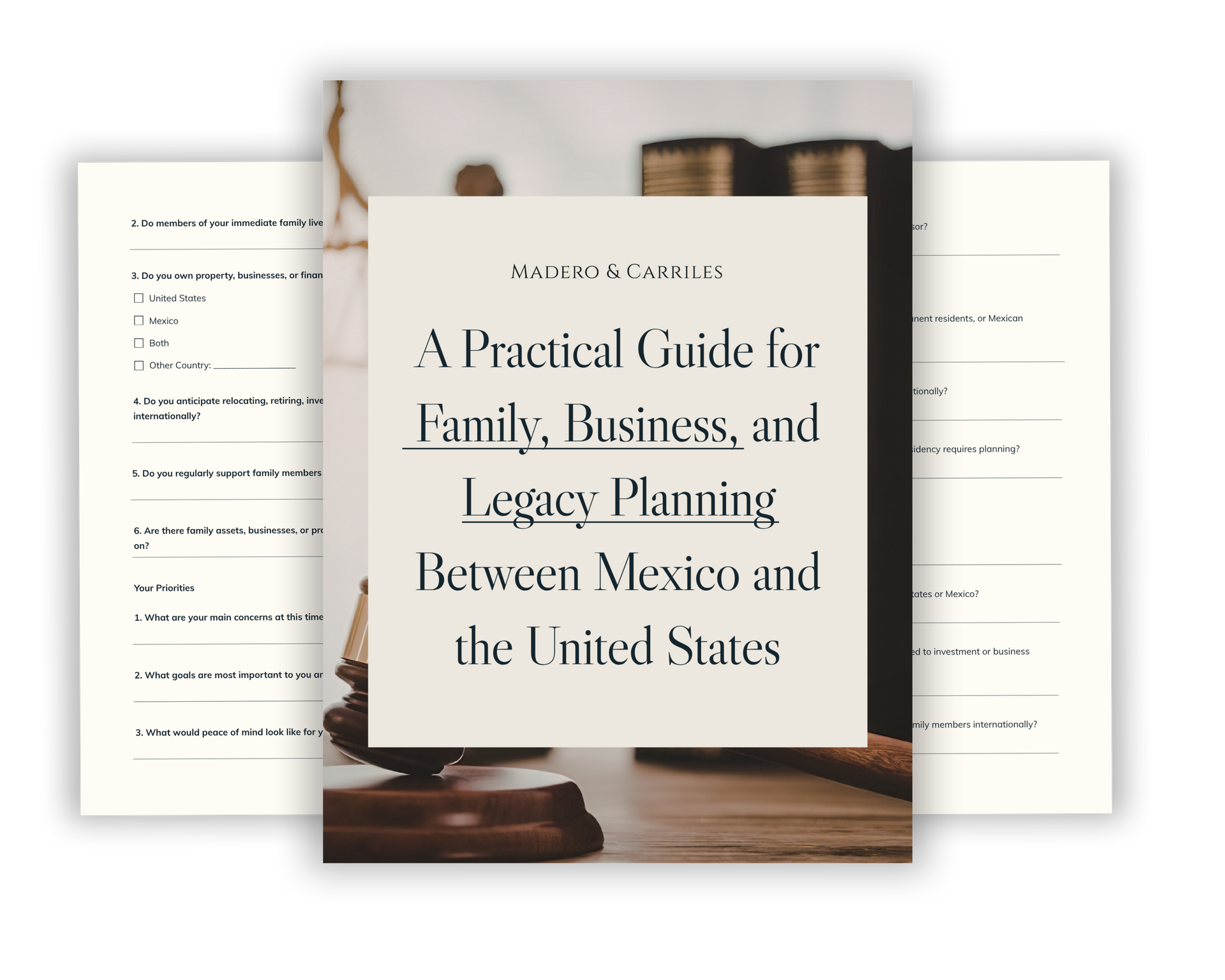
Book a free consultation for your legal matters
Let’s build a legal strategy that supports what matters today and for generations to come.



FAQ
Who qualifies for asylum in the United States?
Individuals who can demonstrate a well founded fear of persecution in their home country based on protected grounds such as race, religion, nationality, political opinion, or membership in a particular social group may qualify for asylum under U.S. immigration law.
Who qualifies for a U visa?
A U visa may be available to victims of certain crimes who have suffered harm and who cooperate with law enforcement in the investigation or prosecution of criminal activity.
What is a T visa for trafficking victims?
The T visa provides immigration protection for individuals who have been victims of human trafficking and who meet specific eligibility requirements under immigration law.
Can victims of domestic violence apply for immigration protection?
Yes. Certain immigration protections are available for individuals who have experienced domestic violence or abuse by a qualifying U.S. citizen or lawful permanent resident family member. Programs such as petitions under the Violence Against Women Act (VAWA) may allow eligible individuals to seek immigration protection independently without relying on the abusive family member to sponsor their immigration status.
Can humanitarian visas lead to permanent residence?
In many cases, humanitarian immigration protections can create a pathway toward lawful permanent residence. Programs such as asylum, VAWA petitions, U visas, T visas, and Special Immigrant Juvenile Status may allow eligible individuals to apply for a green card after meeting specific legal requirements and waiting periods.