Employment Green Card Lawyers | EB-1, EB-2, EB-3 | Los Angeles
If you are exploring an employment based green card, you are likely making long term decisions about your professional future in the United States. You may be evaluating how your skills, education, or professional achievements can support permanent residence while navigating employer sponsorship requirements, immigration categories, and complex federal procedures.
In case you are new here, we are Madero & Carriles, a bilingual and bicultural law firm advising individuals, families, and business owners in Los Angeles and beyond. Many of the matters we handle involve professionals whose careers and personal lives connect the United States and Mexico, allowing us to guide clients through immigration decisions that require coordination across borders.
Employment based immigration decisions can feel overwhelming, particularly when your career trajectory, family stability, and long term residency plans are involved. On this page, we explain how employment based green cards work, common challenges professionals face, and how working with an employment green card lawyer in Los Angeles can help you move forward with clarity and confidence.
What is an employment based green card?
An employment based green card allows a foreign national to obtain lawful permanent residence in the United States based on professional qualifications, employment opportunities, or extraordinary ability in a specific field.
These immigrant visas are divided into several preference categories that reflect different professional backgrounds and achievements. The most common classifications include the EB-1, EB-2, and EB-3 categories, each designed for individuals with distinct levels of education, experience, or professional accomplishment.
Most employment based green cards require sponsorship from a U.S. employer, although certain categories allow individuals to self petition when they can demonstrate extraordinary ability or that their work serves the national interest of the United States.
The legal process often involves multiple stages, including labor certification, immigrant petition filing, visa availability review, and either adjustment of status within the United States or immigrant visa processing through a U.S. consulate abroad.
For professionals whose careers or business interests connect the United States and Mexico, the process can require additional strategic coordination. Employment contracts, international career mobility, and family considerations may influence the timing and structure of the immigration strategy.
Cross border lives often require careful planning across jurisdictions. Coordinating immigration decisions with long term professional and personal goals can help prevent complications and support a stable transition toward permanent residency.
Most common challenges in employment based green cards
The employment based green card process often involves several legal and procedural stages. Applicants and employers must navigate labor certification requirements, immigrant petition filings, and final residency applications, each with distinct documentation and timelines.
Professionals frequently encounter uncertainty when determining which immigration category applies to their qualifications. The EB-1, EB-2, and EB-3 classifications serve different professional profiles, and selecting the appropriate category requires careful evaluation of education, work experience, and professional achievements.
Employer sponsorship requirements can also introduce complexity into the process. Many applicants rely on employer participation, which requires coordination between the applicant, the sponsoring organization, and immigration counsel to ensure compliance with federal immigration regulations.
Career mobility during the green card process can present additional challenges. Promotions, job changes, or international relocation may affect the immigration strategy, and these decisions must be carefully evaluated to avoid disrupting a pending case.
How do I know if I need employment based green card guidance?
Professionals often begin exploring employment based immigration when they want to remain in the United States long term based on their career, education, or professional achievements. Determining whether employment based immigration is the appropriate pathway depends on several factors, including your qualifications, your employer’s role in the process, and the immigration categories available for your professional background.
Many individuals are uncertain whether they qualify under EB-1, EB-2, or EB-3 classifications or whether alternative immigration options may be available. Evaluating these categories early in the process can help professionals select the immigration strategy that best aligns with their qualifications and long term career goals.
For professionals whose careers involve both the United States and Mexico, immigration planning may also require consideration of international mobility, employer transitions, and long term residency objectives. Strategic legal guidance can help individuals evaluate their options and approach the immigration process with greater clarity and confidence.
How we approach employment based green cards in Los Angeles
Every employment based immigration matter begins with understanding the applicant’s professional background, qualifications, and long term goals in the United States. We evaluate the immigration categories that may apply, including EB-1, EB-2, or EB-3 classifications, and determine whether employer sponsorship or self petition options may be appropriate.
When employer sponsorship is required, we coordinate the immigration strategy with the sponsoring organization to ensure that documentation, petitions, and procedural timelines align with federal immigration requirements. Careful preparation of supporting evidence is essential to demonstrate eligibility and avoid delays during the review process.
For professionals whose careers connect the United States and Mexico, we also consider how immigration strategy may interact with international career mobility, travel considerations, and long term residency planning. Our goal is not simply to complete a single immigration filing but to help professionals pursue a structured pathway toward lawful permanent residence that supports both their professional future and personal stability in the United States.
What topics can we address within employment based green card services?
Employment based immigration cases require careful evaluation of professional qualifications, immigration categories, and employer participation. As part of our employment based green card services in Los Angeles, we assist professionals and employers with a wide range of immigration matters related to permanent residence.
Developing a clear immigration strategy is often the first step in the employment based green card process. We evaluate an applicant’s academic credentials, work experience, professional achievements, and career trajectory to determine the most appropriate immigration pathway.
Many employment based green cards require employer sponsorship. We guide both employers and employees through the documentation, filings, and procedural steps involved in the process, ensuring compliance with federal immigration regulations and alignment with the organization’s operational structure.
Determining eligibility under EB-1, EB-2, or EB-3 categories often requires careful legal analysis. We review an applicant’s qualifications and professional background to determine which category may provide the strongest pathway toward lawful permanent residence.
Employment based immigration cases can also be affected by career transitions such as promotions, employer changes, or corporate restructuring. We help professionals evaluate how these changes may influence their immigration process and what options may be available to maintain continuity.
Because immigration decisions often intersect with long term professional goals, we also assist clients in understanding how employment based immigration strategy can support permanent residence, career mobility, and long term stability for themselves and their families in the United States.
Tips & resources for navigating employment based green cards
Professionals pursuing employment based green cards should take time to understand the eligibility requirements associated with each immigration category. EB-1, EB-2, and EB-3 classifications have distinct criteria that must be clearly documented in immigration filings.
Maintaining organized professional documentation is also essential. Academic credentials, employment history, and evidence of professional achievements often play a central role in employment based immigration petitions.
Because career mobility can affect immigration timelines, professionals should evaluate major employment changes carefully during the green card process. Early legal guidance can help individuals coordinate career decisions with immigration strategy and avoid disruptions to a pending case.
Your trusted law firm in Los Angeles, California
Employment based green card lawyers
At Madero & Carriles, we focus on guiding cross border individuals, families, and business owners through complex U.S. and Mexico legal systems with empathy, clarity, and long term vision.
Our lived cross border experience allows us to understand the realities our clients face without requiring them to repeatedly explain their circumstances.
When you work with our firm, you receive consistent access to trusted legal counsel and a team that understands what is at stake for your career, your family, and your future in the United States.

We provide bilingual cross-border estate planning & probate, immigration, and business law services across the U.S. and Mexico. We are in Los Angeles, California, as well as in Mexico City and Guadalajara.
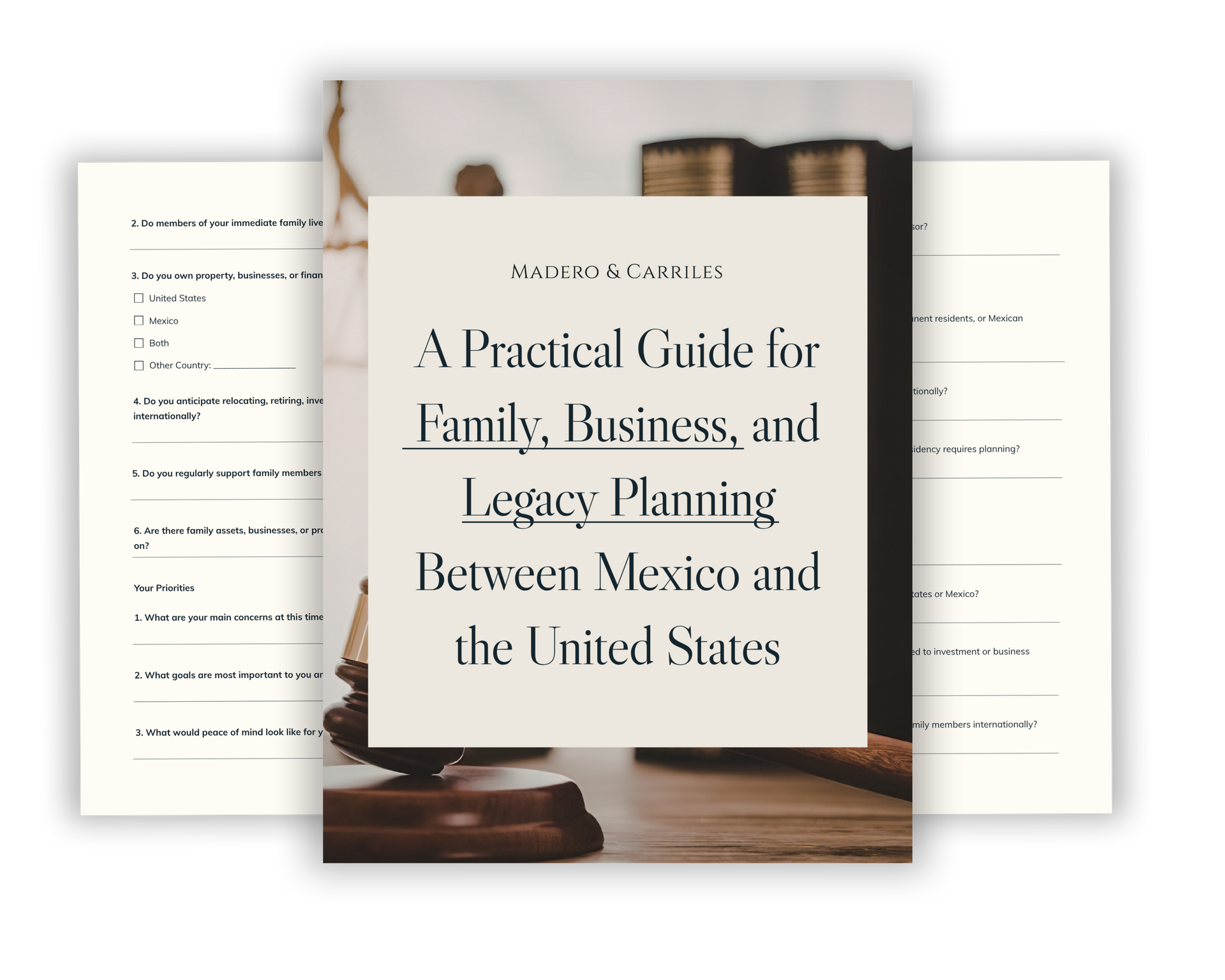
Book a free consultation for your legal matters
Let’s build a legal strategy that supports what matters today and for generations to come.








FAQ
What are the EB-1, EB-2, and EB-3 green card categories?
EB-1 is typically reserved for individuals with extraordinary ability, outstanding researchers, or multinational executives and managers. EB-2 generally applies to professionals with advanced degrees or exceptional ability in their field. EB-3 is available for skilled workers, professionals, and certain other workers whose employment supports a permanent position in the United States.
How long does an employment based green card take?
Processing times vary depending on the immigration category, visa availability, and the procedural steps involved in the case. Some cases may move forward relatively quickly, while others may take several years to complete due to visa backlogs or labor certification requirements.
Can I apply for a green card without employer sponsorship?
In certain circumstances, individuals may self petition for permanent residence, particularly under extraordinary ability classifications or national interest waiver categories. Eligibility depends on the applicant’s professional qualifications and ability to demonstrate significant contributions within their field.
Can I change employers during the green card process?
In some cases, job changes may affect the immigration process depending on the stage of the petition and the immigration category involved. It is important to evaluate employment transitions carefully to ensure they do not disrupt a pending immigration application.
What is the PERM labor certification process?
The PERM labor certification is a step required in many employment based green card cases, particularly within EB-2 and EB-3 categories. The U.S. Department of Labor requires employers to test the labor market to confirm that no qualified U.S. workers are available for the position. Once the recruitment process is completed and PERM certification is approved, the employer may proceed with filing the immigrant petition for the employee’s green card.