Naturalization & Citizenship Lawyers | Los Angeles
If you are exploring naturalization or U.S. citizenship, you are likely making decisions that shape your long term future and your family’s stability. Many individuals reach a point where they want to move beyond permanent residence and take the final step toward becoming a United States citizen. The process may raise questions about eligibility requirements, documentation, and the responsibilities that come with citizenship.
In case you are new here, we are Madero & Carriles, a bilingual and bicultural law firm advising individuals, families, and business owners in Los Angeles and beyond. Many of the matters we handle involve clients whose lives and responsibilities extend between the United States and Mexico, allowing us to guide individuals navigating immigration decisions that involve cross border considerations.
Naturalization is often the final stage of a long immigration journey. While the process may appear straightforward, it requires careful preparation, documentation, and a clear understanding of the legal requirements established under U.S. immigration law. On this page, we explain how the naturalization process works, common challenges applicants encounter, and how working with a naturalization lawyer in Los Angeles can help you move forward with clarity and confidence.
What are visas, permanent residence, and naturalization?
Visas, permanent residence, and naturalization represent different stages within the United States immigration system.
A visa generally allows a foreign national to enter or remain temporarily in the United States for specific purposes such as employment, study, investment, or family reunification.
Permanent residence, commonly known as a green card, allows individuals to live and work permanently in the United States while maintaining the legal status of a lawful permanent resident.
Naturalization is the process through which a lawful permanent resident becomes a U.S. citizen after meeting specific eligibility requirements established under immigration law.
For individuals and families whose lives extend between the United States and Mexico, these immigration stages often require careful planning. Travel patterns, family circumstances, and professional goals may influence the timing and strategy behind pursuing permanent residence or citizenship.
Strategic legal guidance helps individuals understand how these stages connect and how decisions made at one stage of the immigration process may affect future eligibility for citizenship.
Most common challenges in visas, permanent residence & naturalization
Many individuals experience uncertainty when trying to understand which immigration pathway best fits their personal circumstances. The U.S. immigration system includes multiple categories and procedural steps, and determining the appropriate strategy often requires careful legal evaluation.
Another common challenge involves navigating the transition from temporary immigration status to permanent residence and ultimately to citizenship. Each stage of the process carries different eligibility requirements, documentation standards, and timelines.
Applicants may also need to gather civil documentation, identity records, or immigration history from more than one country. Coordinating documentation across jurisdictions can create additional complexity for individuals whose lives involve multiple countries.
Finally, immigration decisions often involve long term planning. Choices made during earlier immigration stages can influence future eligibility for permanent residence, naturalization, and long term mobility between countries.
How do I know if I need immigration guidance for naturalization or citizenship?
Many lawful permanent residents begin exploring naturalization when they want to formalize their long term future in the United States. Individuals who have held a green card for several years may qualify to apply for U.S. citizenship if they meet the residency and eligibility requirements established by immigration law.
Some individuals seek legal guidance when they are unsure whether they meet the naturalization requirements or whether previous travel, immigration history, or documentation issues could affect their eligibility.
Applicants may also benefit from legal guidance when preparing their citizenship application to ensure that documentation is properly organized and that eligibility requirements are clearly met before filing.
For individuals whose lives include responsibilities in both the United States and Mexico, evaluating travel patterns and long term plans can be an important part of preparing for the naturalization process.
How we approach naturalization and citizenship cases in Los Angeles
Every naturalization matter begins with understanding the client’s immigration history, residency timeline, and long term goals in the United States. We evaluate whether the individual meets the eligibility requirements for naturalization and identify any issues that may need to be addressed before submitting the citizenship application.
As part of this initial analysis, we also review whether the individual may have already obtained U.S. citizenship through derivation or acquisition, which can occur automatically in certain circumstances through a parent’s citizenship. In some situations, individuals who believe they must apply for naturalization may already qualify as U.S. citizens under existing immigration law. When this occurs, the appropriate process may involve obtaining a Certificate of Citizenship rather than pursuing naturalization, an important distinction often described as certificate of citizenship vs naturalization.
Once eligibility is confirmed, we guide clients through the preparation of the naturalization application and supporting documentation required under federal immigration law. Careful preparation helps ensure that the application accurately reflects the applicant’s immigration history and eligibility for citizenship.
We also evaluate whether applicants may qualify for available exemptions or waivers from the English language or civics examination requirements, which may apply in certain situations based on age, length of permanent residence, or medical conditions.
For individuals whose personal or professional responsibilities extend across borders, we also consider how travel patterns and international commitments may interact with naturalization requirements.
Our goal is not only to prepare the citizenship application but to help individuals navigate the naturalization process with clarity, preparation, and confidence.
What topics can we address within naturalization & citizenship services?
Naturalization is the final step in the immigration journey for many lawful permanent residents. As naturalization lawyers in Los Angeles, we assist individuals with a range of legal matters related to citizenship eligibility and the naturalization process.
The process often begins with evaluating the individual’s current immigration status and residency history. We review entry records, visa history, and permanent residence documentation to determine whether the applicant meets the eligibility requirements for naturalization.
During this analysis, we also evaluate whether the individual may have derived or acquired U.S. citizenship through a parent, which in some cases may eliminate the need for a naturalization application altogether. When this situation arises, the appropriate step may involve applying for a Certificate of Citizenship instead of naturalization, an issue often referred to as certificate of citizenship vs naturalization within immigration law.
For individuals preparing to apply for U.S. citizenship, we assist with the preparation of the naturalization application and supporting documentation. Careful documentation preparation helps ensure that the application accurately reflects residency history and compliance with immigration requirements.
Applicants must also demonstrate eligibility based on continuous residence, physical presence in the United States, and good moral character. We guide individuals through these requirements and help address potential concerns before the citizenship application is submitted.
Naturalization also involves preparation for the civics and English language examinations required during the citizenship interview. In some circumstances, applicants may qualify for exceptions or waivers from these testing requirements, including accommodations based on age, length of permanent residence, or certain medical conditions.
Because immigration decisions often affect long term mobility and family planning, we also help individuals understand how naturalization may influence travel flexibility, family sponsorship opportunities, and long term stability in the United States.
Tips & resources for navigating the naturalization process
Individuals preparing for naturalization often benefit from reviewing their immigration history and confirming their eligibility before beginning the application process. Understanding the residency timeline and travel history can help determine whether the applicant meets the continuous residence and physical presence requirements.
Maintaining organized immigration documentation is also important. Records related to visas, permanent residence, and travel history may be required during the citizenship application process.
Preparing for the naturalization interview and civics examination in advance can also make the process smoother. Applicants who understand the structure of the interview and testing requirements often feel more confident during the final stage of the process.
Many individuals choose to seek legal guidance when preparing for naturalization to ensure that the application is complete, accurate, and aligned with immigration requirements.
Your trusted law firm in Los Angeles, California
Naturalization & citizenship lawyers
At Madero & Carriles, we guide cross border individuals, families, and business owners through complex U.S. and Mexico legal systems with empathy, clarity, and long term vision.
Our lived cross border experience allows us to understand the realities our clients face without requiring them to repeatedly explain their circumstances.
When you work with our firm, you receive consistent access to trusted legal counsel and a team that understands what is at stake for your future, your family, and your long term plans in the United States.

We provide bilingual cross-border estate planning & probate, immigration, and business law services across the U.S. and Mexico. We are in Los Angeles, California, as well as in Mexico City and Guadalajara.
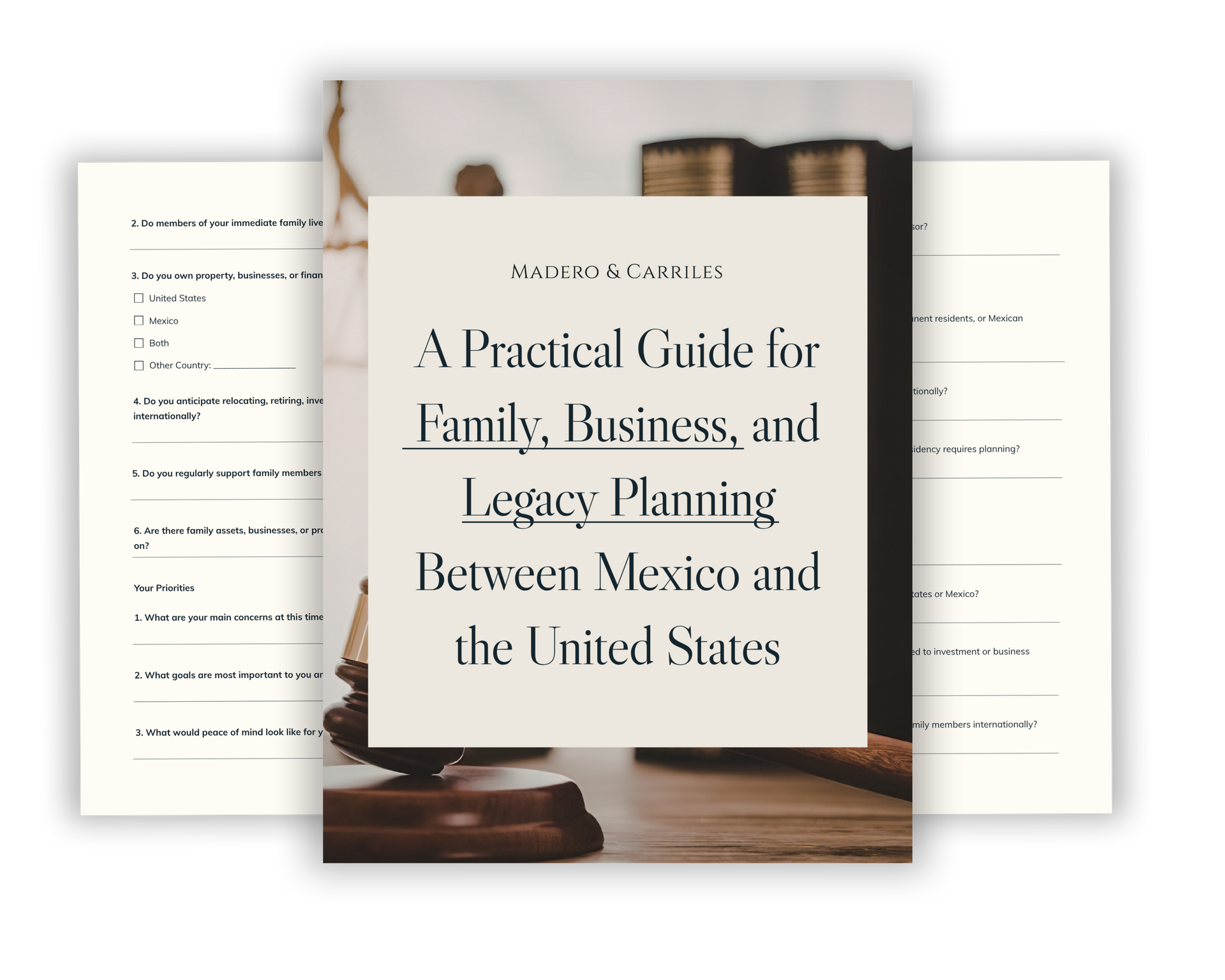
Book a free consultation for your legal matters
Let’s build a legal strategy that supports what matters today and for generations to come.







FAQ
How long does it take to become a U.S. citizen?
The timeline depends on how long an individual has held lawful permanent resident status. In many cases, applicants may apply for naturalization after maintaining permanent residence for several years while meeting additional eligibility requirements.
What are the requirements for naturalization?
Naturalization applicants generally must demonstrate continuous residence in the United States, maintain lawful permanent resident status, meet physical presence requirements, pass English and civics examinations, and show good moral character.
How long must you hold a green card before applying for citizenship?
Most lawful permanent residents must hold a green card for five years before applying for naturalization. Certain applicants married to U.S. citizens may qualify after three years if additional conditions are met.
Can dual citizenship affect naturalization?
The United States generally permits dual citizenship. However, applicants must still meet all naturalization requirements and demonstrate commitment to the responsibilities of U.S. citizenship.
What happens if a naturalization application is denied?
If a naturalization application is denied, the applicant will receive a written explanation outlining the reasons for the decision. In many cases, applicants may request a review of the decision through an administrative appeal or submit a new application once the issues identified in the denial have been addressed.